Self-Defense & De-escalation: Verbal Skills That Can Prevent a Physical Confrontation
By Roy McClellan
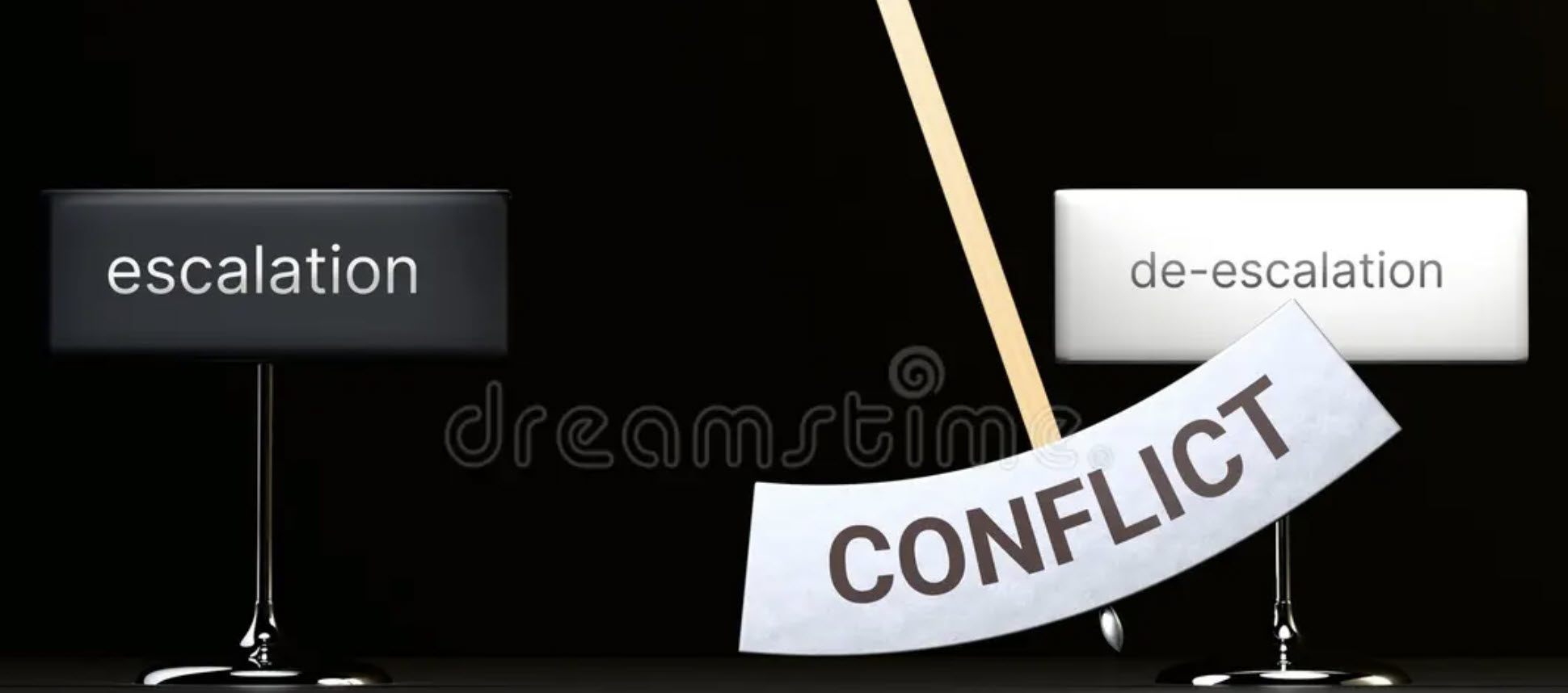
The most effective self-defense rarely looks like a physical confrontation. More often it looks like a calm voice, a measured response, and the awareness to recognize danger before it reaches a point of no return.
Key Takeaways
- Most confrontations can be avoided or resolved before they become physical.
- Tone, posture, and word choice can either escalate or defuse a tense situation.
- Creating distance gives you time, options, and a clearer mind.
- Practicing de-escalation builds the mental discipline to stay composed.
- For firearms carriers, de-escalation skills are legally and ethically essential.
The Foundation: Calm Tone and Neutral Language
- A low, steady tone.
- Non-threatening language.
- Open body language.
- Short, clear statements.
A simple phrase like "I don't want any trouble - let's both walk away" is direct, non-confrontational, and gives the other person an easy way to disengage.
Creating Distance
Maintaining at least six feet of space during a tense exchange gives reaction time and communicates you are not looking to engage.
When to Disengage Completely
In most states, including New Mexico, there is no legal requirement to stand your ground before exhausting the option to safely retreat. The person who walks away from an avoidable fight is disciplined, not weak.
De-escalation and Firearms: A Critical Connection
Every use-of-force decision is evaluated in the context of what options were available and what steps were taken before force was used. The best outcome in a dangerous situation is always the one where no shots are fired.
Training Application
- Practice scenario-based thinking.
- Work on controlling your tone and breathing under stress.
- Enroll in a comprehensive self-defense course.
- Ask your instructor to incorporate force-on-force or verbal scenario drills.
Call: 505-385-4892.