Self-Defense & De-escalation
Self-Defense & De-escalation: Recognizing Danger Before It Escalates
By Roy McClellan
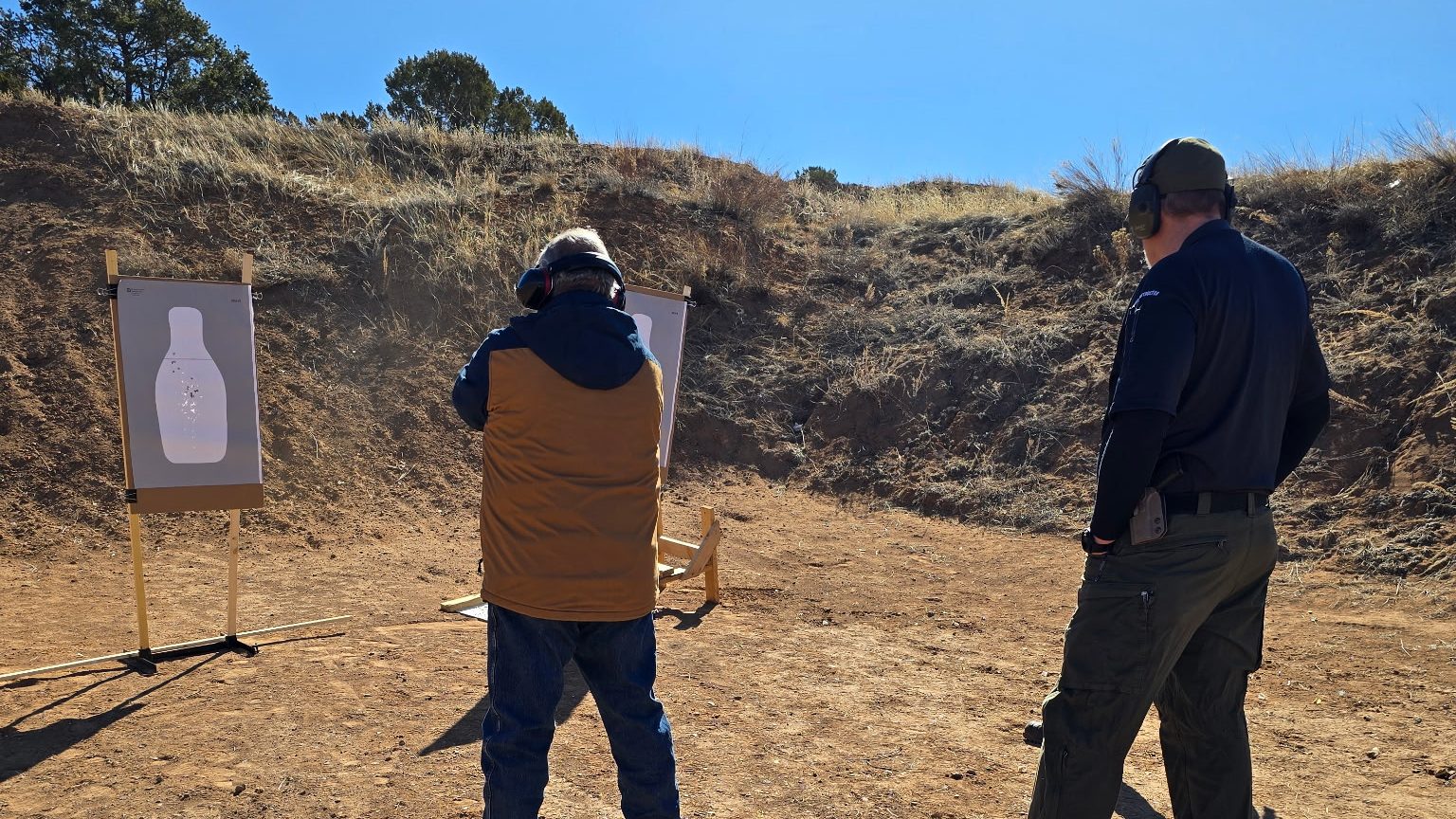
The most effective self-defense happens before a confrontation ever begins. Situational awareness and de-escalation are core competencies for anyone who carries a firearm or takes personal safety seriously.
Key Takeaways
- Situational awareness is your first and most powerful layer of defense.
- De-escalation is a deliberate, trained skill that can prevent a situation from becoming life-threatening.
- The Cooper Color Code provides a simple, practical framework for managing mental readiness.
- Verbal communication and body language can interrupt a threat cycle before it becomes physical.
- Knowing when NOT to engage is a sign of training and discipline - not hesitation.
The Foundation: Situational Awareness
Cooper's Color Code: White (unaware), Yellow (relaxed alertness - the ideal everyday state), Orange (specific alert), Red (action mode). Spend most of your day in Condition Yellow.
De-escalation: A Trained Skill, Not a Passive Choice
- Use a calm, steady voice.
- Create distance.
- Avoid aggressive posturing.
- Acknowledge the other person's emotion without validating threatening behavior ("I can see you're upset").
- Look for an exit.
When De-escalation Is Not Enough
There are situations where a threat is immediate, unavoidable, and life-threatening. New Mexico law recognizes the right to use force in self-defense when a person reasonably believes it is necessary to prevent imminent harm. Understanding that legal standard is part of responsible carry.
Training Application
- Practice Condition Yellow daily.
- Role-play verbal de-escalation scenarios with a training partner.
- Study New Mexico's use-of-force laws.
- Enroll in a comprehensive self-defense course.
Call: 505-385-4892.