Self-Defense & De-escalation: How to Avoid Conflict and Respond Wisely
By Roy McClellan
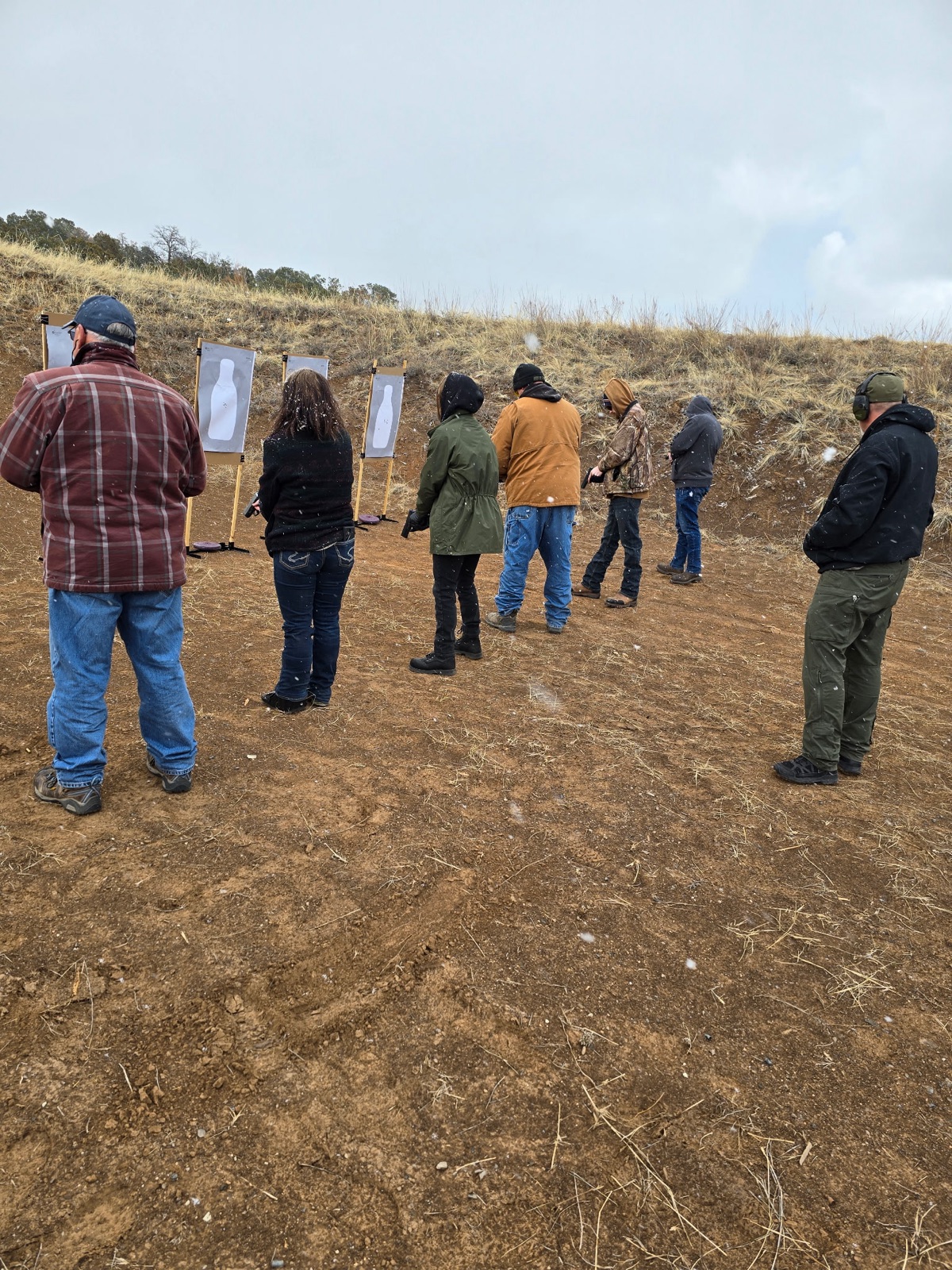
True self-defense begins long before a firearm is ever drawn. It starts with awareness, sound judgment, and the ability to recognize - and avoid - dangerous situations before they escalate. At Eagle Defense & Marksmanship, we teach our students that the most powerful tool in any self-defense situation is a well-trained mind.
Whether you carry a firearm or not, understanding de-escalation and conflict avoidance is an essential skill for every responsible adult.
Key Takeaways
- Situational awareness is your first and most important line of defense - most conflicts can be avoided before they begin.
- Verbal de-escalation is a learnable skill that can defuse the majority of threatening situations without physical confrontation.
- Physical force - including the use of a firearm - is always a last resort, used only when there is no other option to protect life.
- Proper firearms training builds the judgment and discipline to make sound decisions under pressure - not just the mechanics of shooting.
- Consistent practice - both mental and physical - is what separates a prepared defender from an unprepared one.
Situational Awareness: See It Before It Happens
The foundation of all self-defense is knowing what is happening around you. Situational awareness means actively scanning your environment - not in a paranoid way, but in a calm, deliberate manner. When you enter a room, note the exits. When you walk to your car, observe who is nearby. When something feels off, trust that instinct.
Position yourself near exits and well-lit areas. Avoid distractions like your phone when moving through unfamiliar or high-traffic environments.
Verbal De-escalation: Words as a First Line of Defense
When a confrontation begins to develop, your voice is often your most effective tool. Verbal de-escalation is not about backing down - it is about taking control of the situation calmly and intelligently.
- Speak in a calm, low, steady tone. Avoid yelling, threatening language, or accusations.
- Use clear, simple statements: "I do not want any trouble. Please step back."
- Acknowledge the other person's emotions without agreeing with their behavior: "I can see you're upset. Let's work this out calmly."
- Offer a face-saving exit: give the other person a way to disengage without feeling humiliated.
- If de-escalation is not working after a few attempts, stop trying and focus on creating distance and getting to safety.
Body language matters just as much as your words. Keep your hands visible and open at waist level. Stand at an angle - not squared up. Maintain a safe distance of at least six feet when possible.
When Force Becomes Necessary
Despite your best efforts, there are situations where de-escalation fails and physical defense becomes unavoidable. The use of force - especially lethal force - is legally and morally justified only when you reasonably believe that you or another person faces an imminent threat of serious bodily harm or death, and there is no safe alternative. Trained shooters understand that drawing a firearm can sometimes escalate a situation rather than resolve it. The goal is always to survive - using the minimum force necessary to stop the threat and get to safety.
Training Application
- Practice awareness daily. Every time you enter a new space, identify two exits and note who is around you.
- Rehearse verbal scripts. Practice calm, firm statements out loud so they come naturally under stress.
- Take a comprehensive firearms training course that covers not just marksmanship, but decision-making, legal use of force, and scenario-based training.
- Review real-world scenarios. Think through how you would respond to common situations.
- Train with professionals. Scenario-based instruction with qualified instructors is the most effective way to build real-world readiness.