Home Defense Tips: Nighttime Awareness and Response Protocols Every Homeowner Should Know
By Roy McClellan
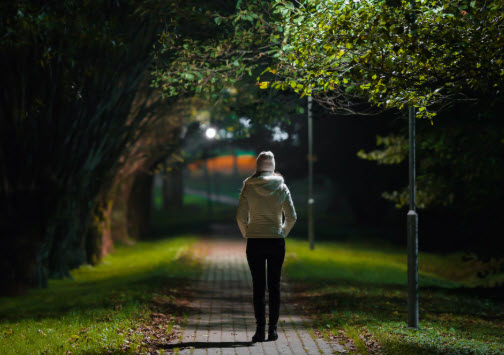
Why Night Is Different
A 2 a.m. threat floods your brain with adrenaline; fine motor skills degrade and tunnel vision sets in. Add darkness and you cannot clearly identify a target. The answer is a pre-built, practiced plan.
Establish a Safe Room Protocol
The safest course in most situations is NOT to clear your house room by room. Secure yourself and your household in a single defensible location, call 911, and wait for law enforcement. Safe room essentials: a charged phone, your secured firearm and a flashlight, a reinforced/solid-core door with a working lock, and a pre-communicated plan with all household members.
Light Is Not Optional
Target identification before your finger touches the trigger is a legal and ethical requirement. Options: a weapon-mounted light or a quality handheld flashlight staged alongside the firearm. Many instructors recommend having both - and practicing with each.
The Verbal Challenge
A loud, clear challenge - "I am armed and I have called 911" - may cause a burglar to flee, identify an intruder as a family member, create an audible record of your reasonable effort to identify the threat, and give you a moment to assess. Practice it until it is automatic.
Know Your Home's Geometry
Walk through your home in complete darkness. Identify chokepoints, corners that provide cover, soft cover vs. hard cover. Know where children's rooms are relative to yours.
Training Application
- Walk your home in the dark tonight; confirm firearm and flashlight are staged.
- Hold a household conversation about your safe room protocol.
- Practice your verbal challenge out loud.
- Enroll in a structured home-defense or defensive-shooting course with low-light drills.