Home Defense Tips: Creating a Room-by-Room Safety Plan That Actually Works
By Roy McClellan
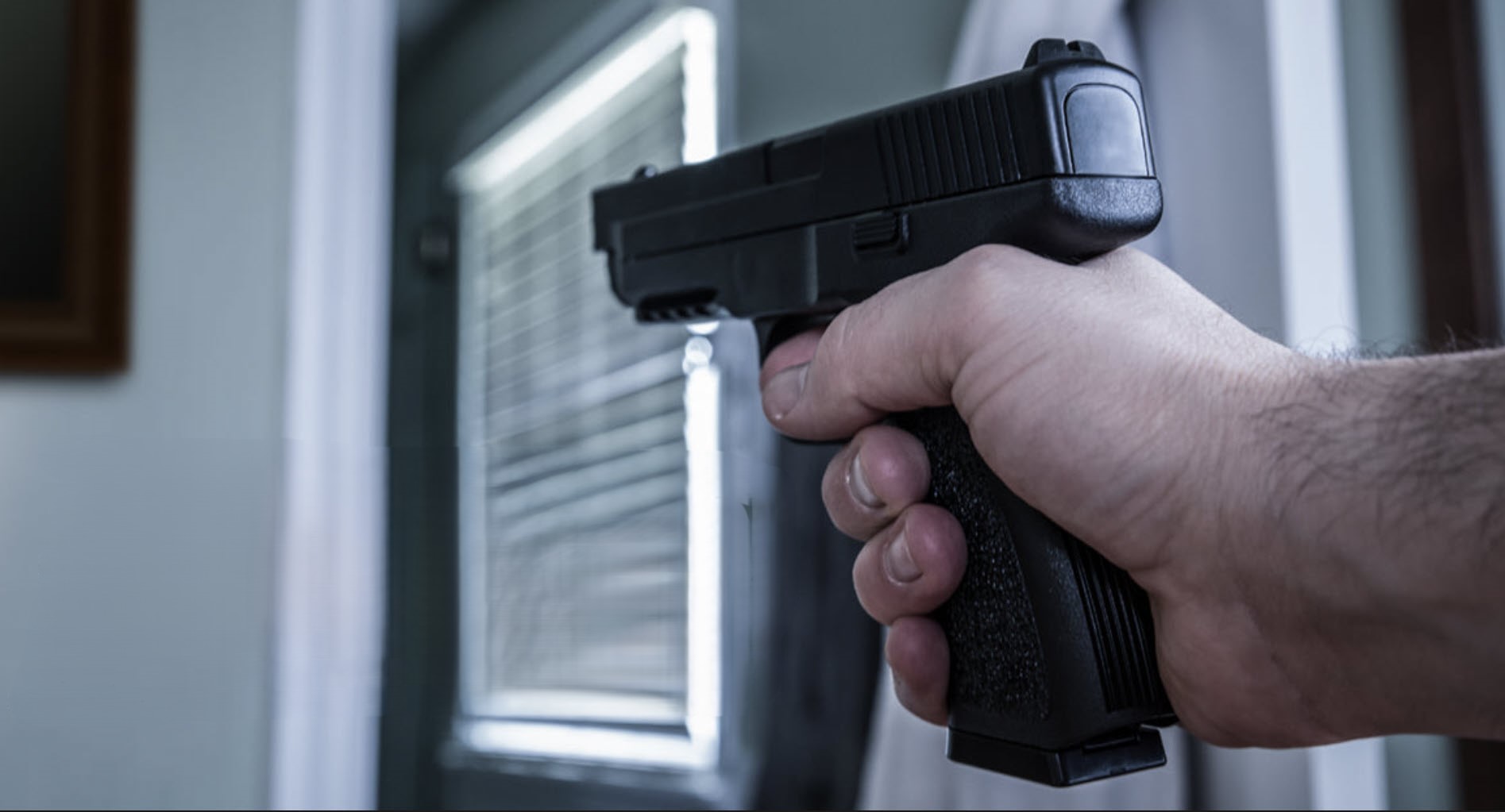
Effective home defense is deliberate. It requires you to think through your living space, understand the realistic threats in your area, and establish clear protocols for every member of your household.
Key Takeaways
- A home defense plan is a room-by-room, person-by-person protocol.
- Entry points are your first line of defense.
- A designated "safe room" with a locking door, communication device, and accessible firearm storage is one of the most effective tools.
- Every adult should know the plan.
- Regular practice - dry-fire and walk-throughs - improves response under pressure.
Start at the Perimeter: Entry Points Matter Most
Reinforce door frames with steel strike plate kits; deadbolts should extend at least one inch into the frame. Windows: security film, secondary locking pins, motion-activated exterior lighting. Keep landscaping trimmed.
The Bedroom: Your Most Critical Room
Most intrusions happen at night. Questions to answer: Is your firearm accessible but secured? Can you call 911 without leaving the room? Does the bedroom door lock? Do you have a flashlight/weapon-mounted light? A quick-access biometric or push-button bedside safe opens in under two seconds.
Common Areas: Know Your Angles
Identify solid furniture, door frames, and corners that provide concealment or cover. Note long sightlines (distance from threat) and short ones (limited reaction time). A motion-activated interior light pointed toward entry doors gives a few seconds of advantage.
Establishing a Family Emergency Protocol
Designate a single safe room. Practice the route in the dark. Establish a simple communication system - code word, knock pattern, or text.
Training Application
- Walk-through drill in the dark, bedroom to safe room.
- Dry-fire practice accessing your quick-access safe.
- Family discussion of roles, locations, signals.
- Professional home-defense / personal-protection course.