Home Defense Tips: Building a Layered Security Plan That Works
By Roy McClellan
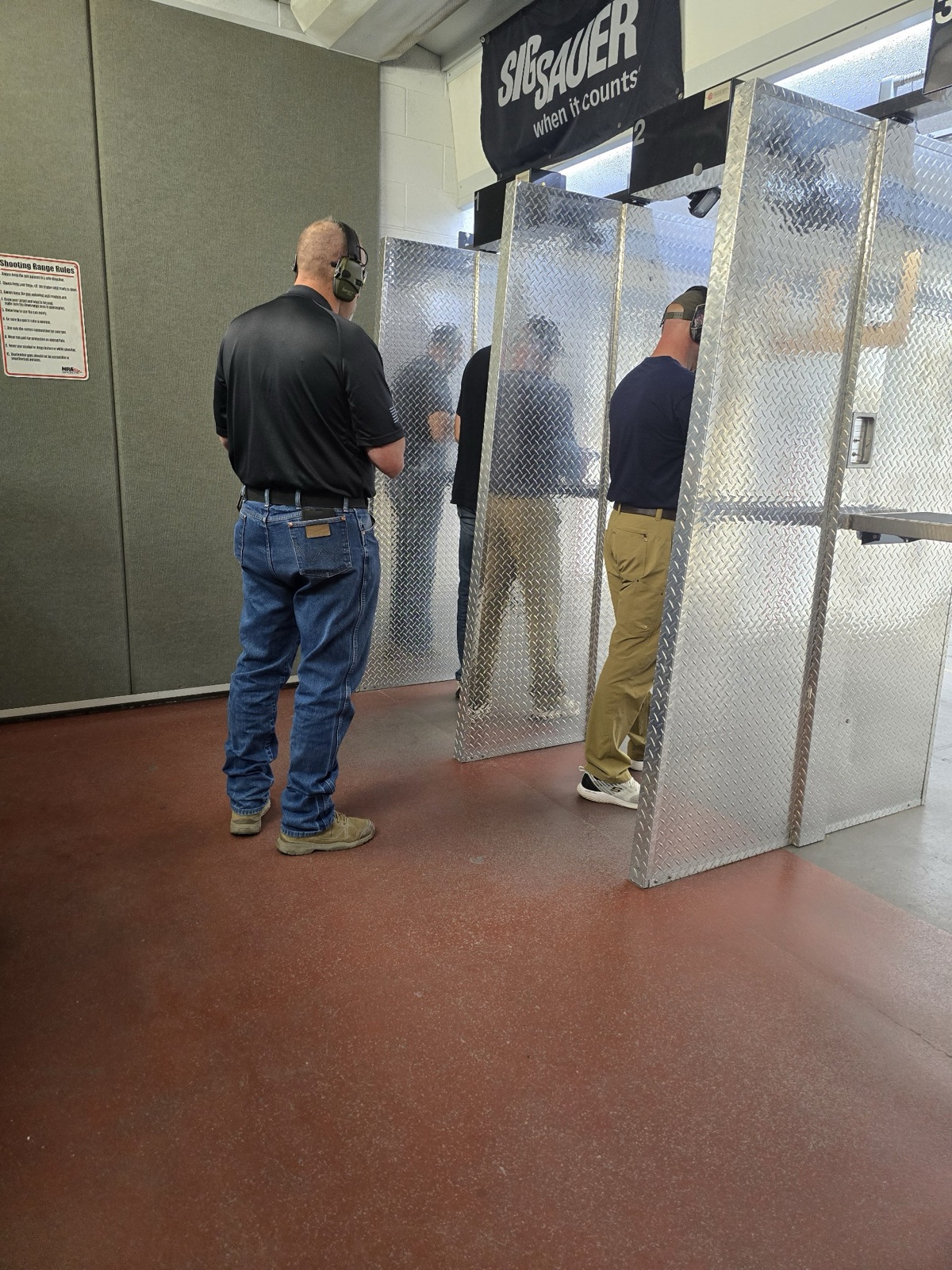
Home defense represents a significant responsibility for firearm owners. It extends well beyond simply owning a gun - it requires a comprehensive plan, proper training, and sound decision-making abilities.
Key Takeaways
- Effective home defense relies on multiple layers - physical security, awareness, and a practiced response plan.
- Secure firearm storage is non-negotiable - your defensive firearm must be accessible to you and inaccessible to unauthorized individuals.
- Every household member should know the emergency plan - communication and coordination save lives.
- Lighting, locks, and environmental awareness are your first line of defense - firearms are your last resort.
- Professional training builds the muscle memory and decision-making skills you need when seconds count.
Layer 1: Harden Your Home's Perimeter
The most effective home defense scenario prevents threats from entering your home altogether. Begin with doors. Solid-core exterior doors featuring reinforced strike plates and deadbolt locks provide significantly greater resistance to forced entry compared to hollow-core doors. Sliding glass doors require a secondary bar or pin lock alongside the factory latch. Exterior lighting serves as a powerful deterrent - motion-activated lights positioned around entry points, garages, and dark property areas eliminate concealment opportunities. Maintain clear sightlines by trimming overgrown shrubs near windows and entry points.
Layer 2: Situational Awareness Inside the Home
Familiarity with your home's sounds, patterns, and layout comprises a vital home defense component. Install a monitored alarm system with door and window sensors. These systems provide early warning, offering critical seconds for response.
Layer 3: Firearm Storage and Accessibility
Firearm storage requires balancing security with accessibility. Biometric or push-button safes positioned near your bed enable firearm retrieval within seconds while maintaining security against unauthorized access. Practice retrieving your unloaded firearm from storage until the motion becomes natural and automatic.
Layer 4: Your Family Emergency Plan
- A designated safe room where family members should proceed during home intrusion
- A clear communication protocol - who calls 911, who stays with children, who manages the firearm
- A verbal challenge protocol - knowing when and how to announce your presence before engagement
- An understanding of New Mexico's self-defense laws so all adults recognize what is legally justified
Training Application
- Walk your property today and identify weak points - doors, windows, lighting gaps, and concealment areas.
- Sit down with your household and draft a simple emergency plan. Assign roles and identify your safe room.
- Practice accessing your defensive firearm from its storage location using an unloaded firearm until the motion is smooth and confident.
- Enroll in a home defense or personal protection course to train in realistic, scenario-based environments.