Firearm Safety Tips: Building Good Habits That Last a Lifetime
By Roy McClellan
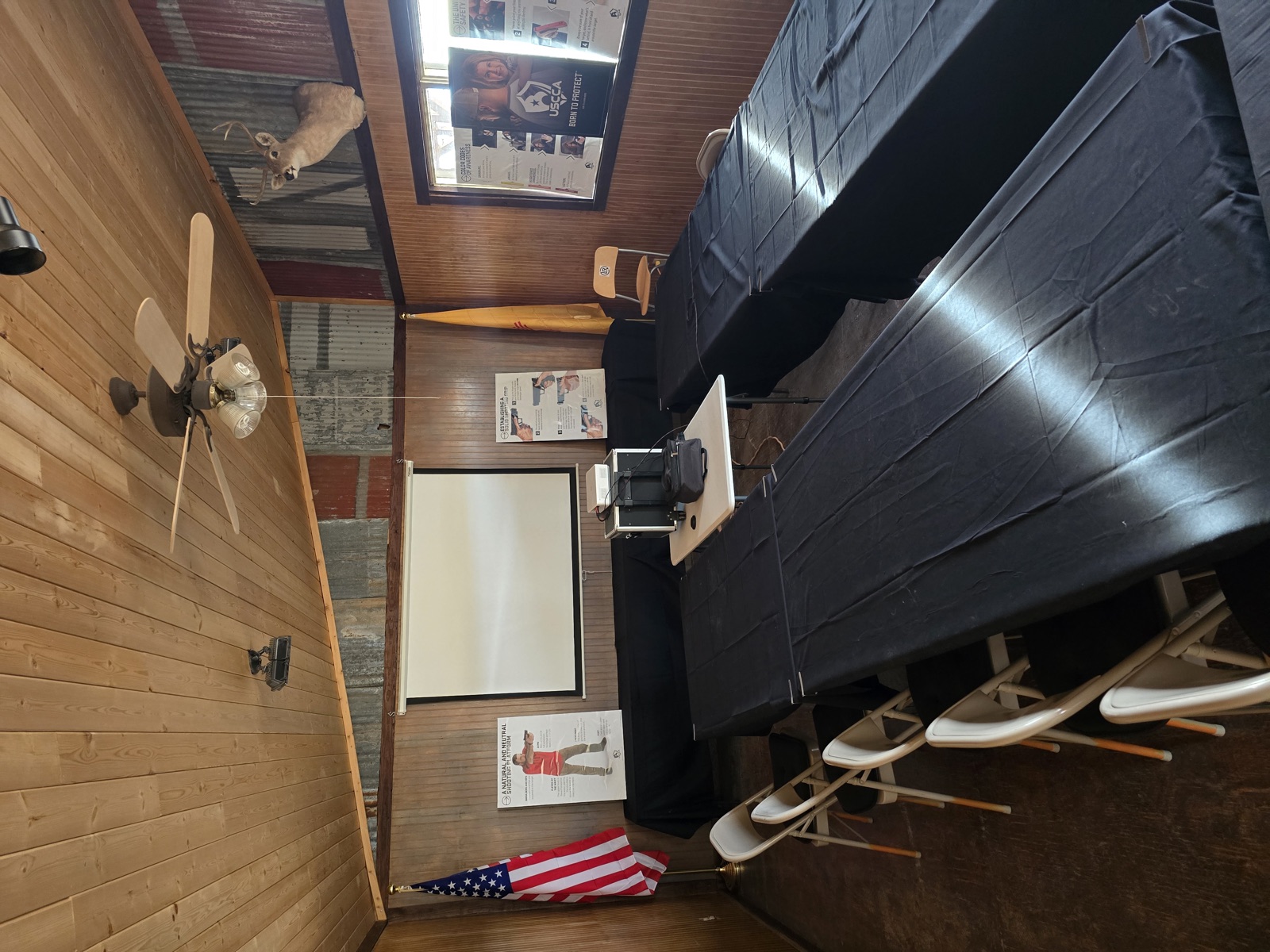
Firearm safety is not a one-time lesson - it is a lifelong commitment. Whether you are brand new to firearms or have been shooting for decades, the fundamentals of safe gun handling are the foundation of everything we do at Eagle Defense & Marksmanship. Accidents involving firearms are almost always preventable, and the difference between a safe shooter and an unsafe one comes down to consistent habits and disciplined practice.
In this post, we will walk through the core rules of firearm safety, explain why each one matters, and show you how to build these habits into your everyday routine - whether you are at the range, at home, or carrying concealed.
Key Takeaways
- The Four Universal Safety Rules are non-negotiable - they apply every time, with every firearm.
- Safe storage is just as important as safe handling - especially in homes with children or visitors.
- Proper trigger discipline is one of the most critical - and most commonly overlooked - safety habits.
- Regular maintenance and inspection of your firearm prevents malfunctions that can lead to dangerous situations.
- Professional training reinforces safe habits and helps you identify and correct mistakes before they become dangerous patterns.
The Four Universal Rules of Firearm Safety
These four rules are the bedrock of responsible gun ownership. They are taught in every reputable firearms course and followed by every professional instructor, law enforcement officer, and military service member. Memorize them. Practice them. Live by them.
1. Treat Every Firearm as if It Is Loaded
Even if you just cleared the chamber and visually inspected the magazine well, handle every firearm as though it is loaded and ready to fire. This mindset eliminates complacency - the single biggest contributor to accidental discharges. There is no such thing as an "unloaded" gun in terms of how you handle it.
2. Never Point the Muzzle at Anything You Are Not Willing to Destroy
Muzzle discipline means being constantly aware of where your barrel is pointed. At the range, this means keeping the muzzle downrange at all times. At home, it means never sweeping a family member, a wall with people on the other side, or yourself. This rule works in tandem with Rule 1 - if you always treat the gun as loaded, you will always be mindful of where it is pointed.
3. Keep Your Finger Off the Trigger Until Your Sights Are on Target
Trigger discipline is one of the most visible indicators of a trained shooter. Your trigger finger should rest straight along the frame - outside the trigger guard - until you have made the conscious decision to fire. This is a habit that must be built through repetition. Many new shooters instinctively place their finger on the trigger when they pick up a firearm. Proper training corrects this quickly.
4. Know Your Target and What Is Beyond It
A bullet does not stop at the target. It can pass through, ricochet, or travel significant distances if it misses. Before you fire, you must positively identify your target and be aware of what lies beyond it. This is especially critical in home defense scenarios, where walls, doors, and family members may be in the line of fire.
Safe Storage: Protecting Your Household
Responsible ownership does not end when you leave the range. How you store your firearm at home is just as important as how you handle it. A quality gun safe or lockbox keeps your firearm secure from unauthorized access while still allowing you to access it quickly in an emergency. Consider the following storage best practices:
- Use a biometric or combination lockbox for bedside firearms - fast access without sacrificing security.
- Store ammunition separately from firearms when children are present in the home.
- Never leave a firearm unattended on a table, countertop, or in a vehicle without a secure holster or lock.
- Educate every member of your household on firearm safety - knowledge is the best prevention.
Maintenance Matters
A well-maintained firearm is a safe firearm. Dirt, debris, and wear can cause malfunctions - and a malfunction at the wrong moment can be dangerous. After every range session, clean and inspect your firearm. Check for worn springs, cracked components, or any irregularities. If something does not look or feel right, have it inspected by a qualified gunsmith before using it again.
Training Application
- Practice dry-fire drills at home to build trigger discipline and muzzle awareness - always verify the firearm is unloaded first.
- Enroll in a Basic Pistol or Fundamentals of Shooting course to get professional feedback on your safety habits.
- Ask your instructor to evaluate your grip, stance, and trigger finger placement - small corrections early prevent bad habits later.
- Review your storage setup at home and make sure every firearm is secured appropriately for your household.
Ready to Train with Confidence?
At Eagle Defense & Marksmanship, we are committed to helping every student - from first-time gun owners to experienced shooters - develop the safe, disciplined habits that make responsible ownership possible. Our courses are offered in Edgewood, NM, and are designed to meet you where you are, regardless of your experience level.